
The universe is fundamentally chaotic, get over it.
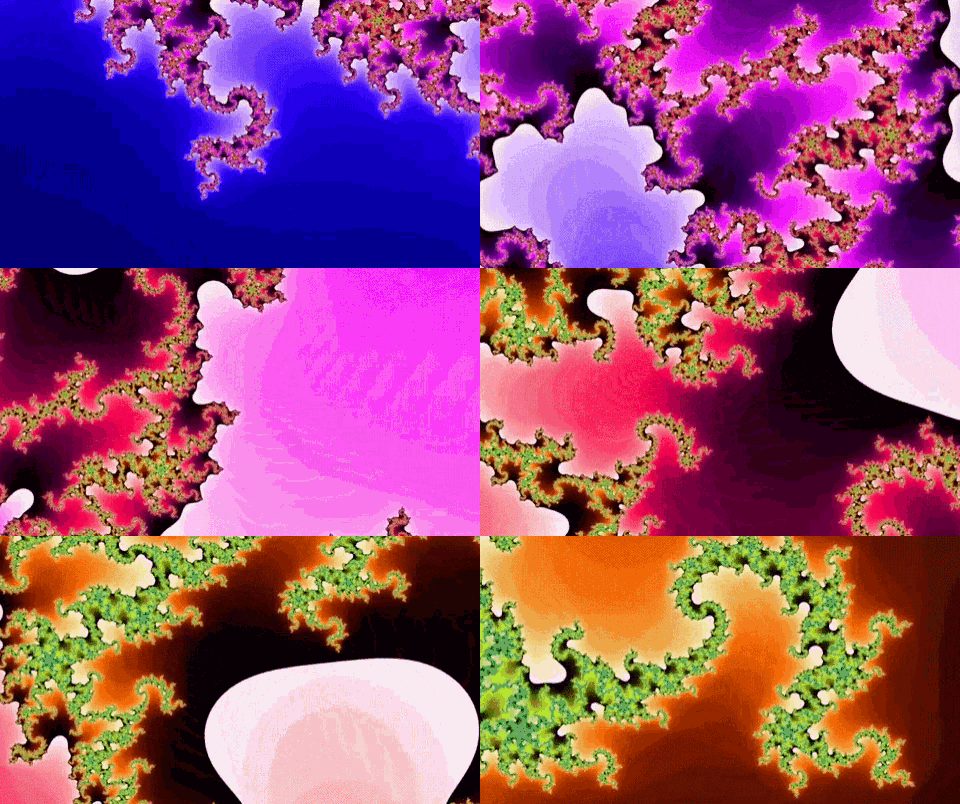
When I say chaotic, I definitely don’t mean random. This does not mean there are not random aspects to our existence. In chaotic systems we can find patterns that can repeat. Counting the iterations it takes to solve a complex equations with imaginary numbers can lead to Mandelbrot maps, as above. A good explanation of how these are obtained is given by the Mathologer. Fractals are an exceptional explanation for many of the artefacts we find in the universe.
Incidentally Dr Mads Haahr of Random.org provides as good a simple discussion of what random means as any I have seen. Here is his definition of random he gives.
As a nit pick I might disagree with the “by humans” bit, but I agree with his intent. While I don’t think chaotic events are predictable in an ultimate sense, I do think near future can be predicted albeit imperfectly. Similarly, as to chaotic weather patterns, tough to say exactly what the weather will be a month from now, but generally it will be warmer than today (unless you happen to be reading this in the southern hemisphere).
Life would not exist without the chaotic aspect of the universe. Blackmore reworked Dennett’s description of evolution in her TED talk on Temes. Here I reproduce it with a less biological aspect. Evolution requires three aspects:
- A system that has a tendency to replicate.
- The replication is not perfect (in that there are small changes during replication).
- Some replicates are more successful than others in further replication, given the environment they find themselves.
As Blackmore points out, if we have these three aspects then evolution must occur. I thought Dennett got this one right. Note that the system cannot replicate perfectly, if it did there would be no evolution. Also the changes would have to be ‘small’ or incremental, otherwise replication would likely fail. Similarly the replicates are part of the environment and not separate from it, the environment affects the replication. But it is that chaotic aspect of replication and successfulness that allows evolution to occur. Human beings are a result of chaotic processes, they are susceptible to chaotic processes and to a large extent they result in chaotic events. This of course does not mean we cannot find orderly patterns in our behaviours. The question for some is where does the replicating system come from, what are the underlying causes?
Birth and death and the bit in between we call living is chaotic. Get over it.
Below are pair of diamonds. The one on the left is in its native state … a diamond in the rough, if you like. On the right is a cut diamond. We perceive it as a far more structured than the rough diamond.
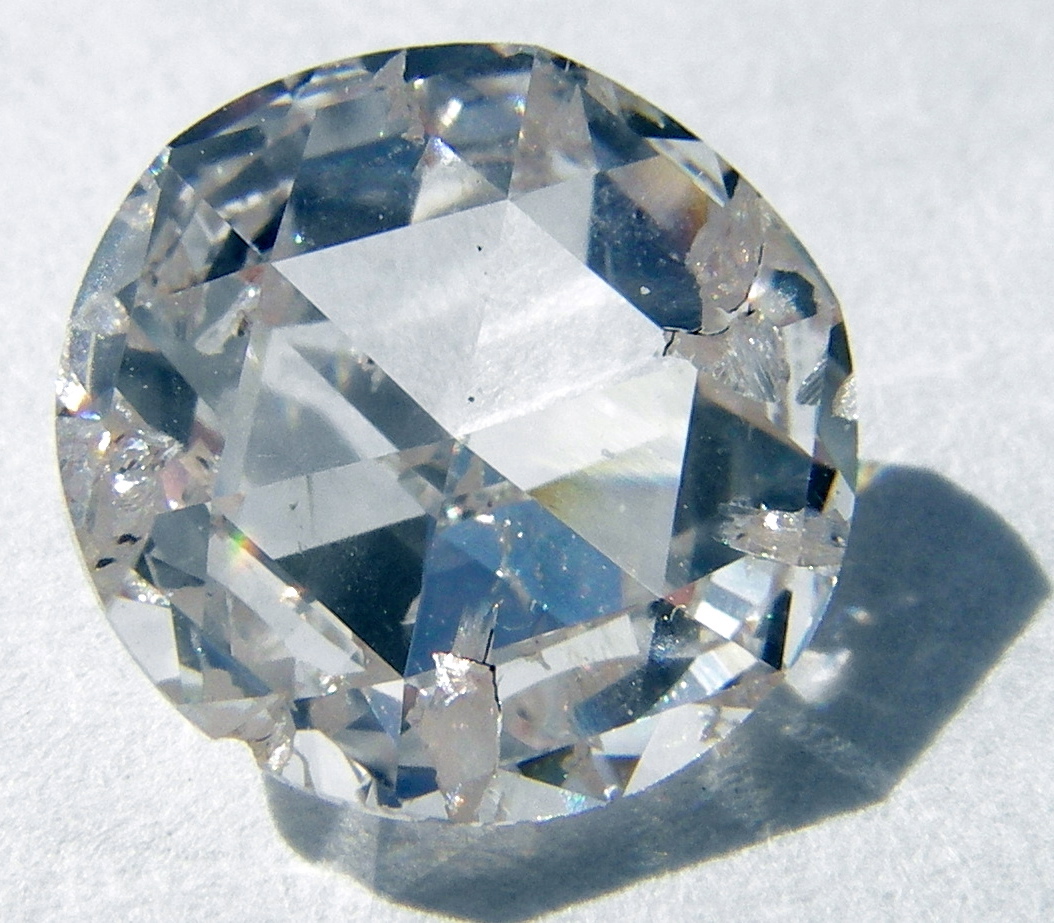
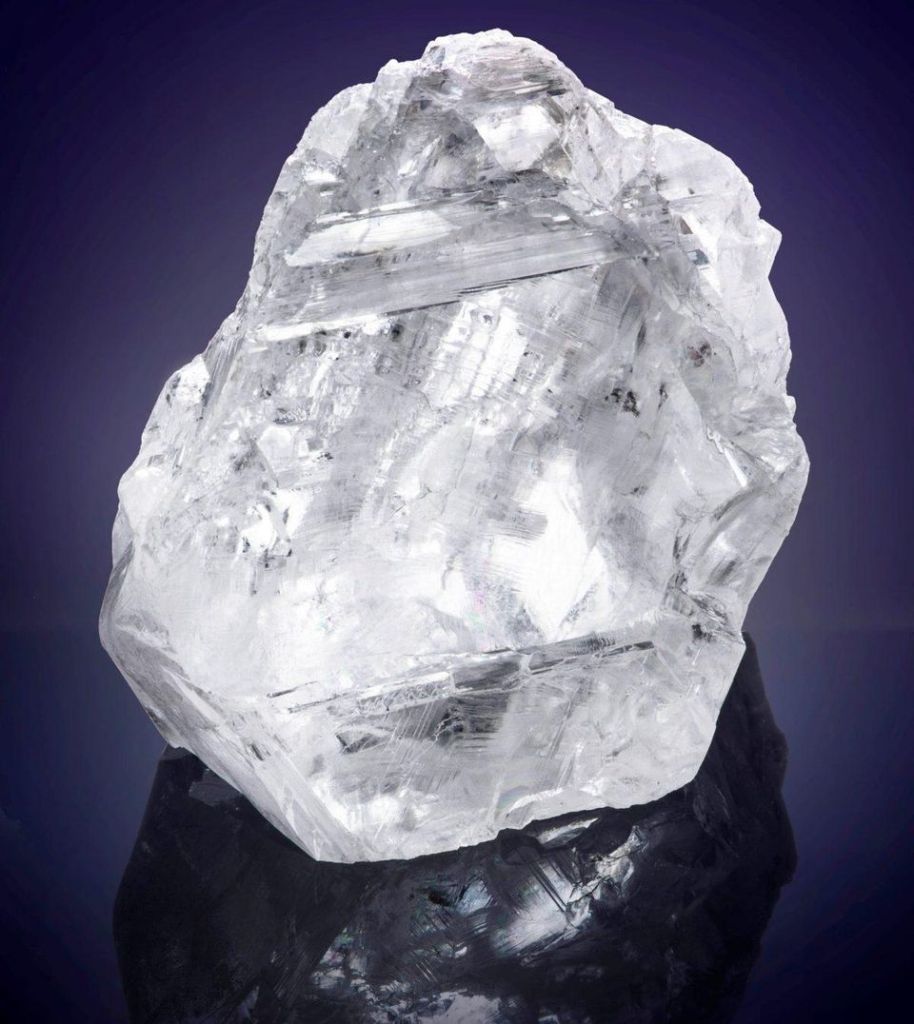
Of course the brilliantly cut diamond exists within the rough diamond. The chaotic aspect is the diamond cutter, cutting off the not required pieces and polishing off the remaining excess. A whole bunch of chaotic effort goes into this process, even though some might argue it is purposeful.
So the things that are considered good and bad in our lives are chaotic events. We might thing we strive for good things and are deserved of them when we are lucky enough to get them. But the fact that you strived to search for this supposed goodness, is itself a chaotic event.
Now I am not suggesting we should not strive for this supposed goodness, but I am suggesting when good things happen or bad for that matter, it is a matter of the universe unfolding and that we are part of that unfolding and not somehow separate from it.

 rom's corner